Case Study: Improving Rankings for a Client
A real-world SEO case study showing how consistent optimization, content strategy, and patience helped improve client rankings and visibility.
Anudeep Hegde
6/10/20266 min read
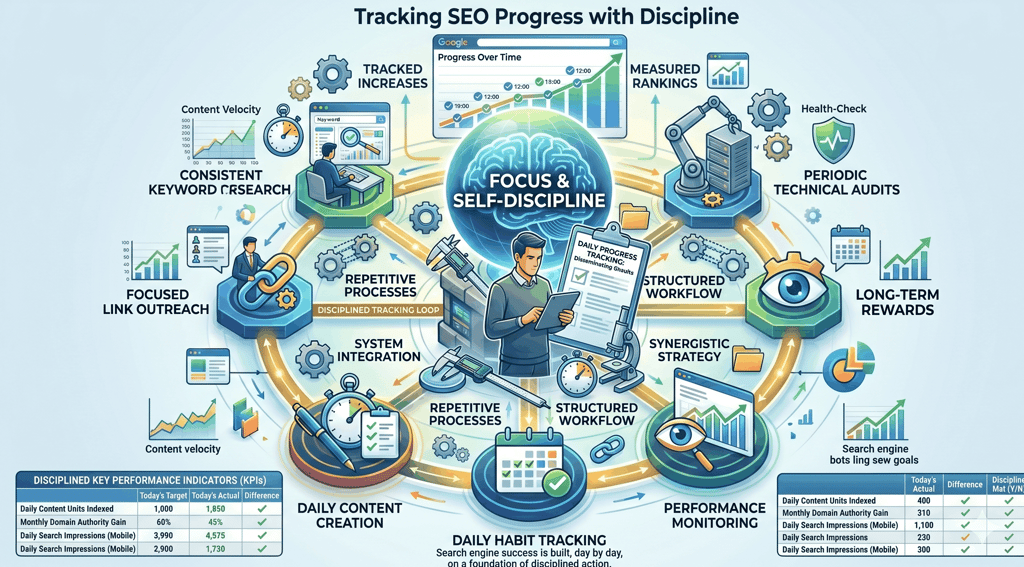
Case Study: Improving Rankings for a Client
One of the reasons I enjoy working in SEO is that every website tells a story.
Behind every ranking improvement, traffic increase, or lead generation success, there's usually a journey filled with challenges, experiments, lessons, and patience.
When people see a website ranking on the first page of Google, they often assume it happened quickly. In reality, most successful SEO campaigns are built through steady effort, careful planning, and a commitment to continuous improvement.
In this case study, I want to share how we approached improving rankings for a client and the lessons that emerged from the process. To respect client confidentiality, I won't reveal specific business names or sensitive data. Instead, I'll focus on the strategy, mindset, and practical actions that produced positive outcomes.
If you're a business owner, hotel manager, marketer, or entrepreneur trying to improve your search visibility, this case study will give you a realistic understanding of what effective SEO looks like in practice.
More importantly, it will show why patience and consistency often matter more than shortcuts.
Understanding the Client's Situation
Every successful SEO project starts with understanding the current reality.
This particular client operated in a highly competitive local service industry.
They already had:
A functioning website
Basic service pages
Some blog content
A Google Business Profile
However, they were struggling with:
Low organic visibility
Limited keyword rankings
Minimal organic enquiries
Poor content structure
Weak internal linking
The Common Misconception
The client initially believed the solution was simply to "rank for more keywords."
But SEO rarely works that way.
Before focusing on rankings, we needed to understand:
What users were searching for
What competitors were doing
What content gaps existed
What technical issues were holding the website back
The Audit Phase
Every SEO campaign I manage begins with a thorough audit.
We reviewed:
Site architecture
Page speed
Mobile usability
Content quality
Internal linking
Technical SEO issues
Competitor positioning
According to Google Search Central, creating helpful content and ensuring a positive page experience remain important foundations for search visibility.
The audit quickly revealed that the biggest opportunities were not technical tricks but improving the overall user experience and content strategy.
[Image Suggestion: SEO audit dashboard showing analytics, website performance reports, and keyword research data.]
Building a Sustainable SEO Strategy
One lesson I've learned over the years is that sustainable SEO always beats aggressive shortcuts.
Instead of chasing quick wins, we focused on building a strong foundation.
Step 1: Clarifying Search Intent
Many existing pages targeted broad keywords without addressing what users actually wanted.
We reorganized content based on intent.
Informational Searches
Examples:
How-to guides
Educational content
Frequently asked questions
Commercial Searches
Examples:
Service comparisons
Solution-focused content
Local business information
Transactional Searches
Examples:
Service pages
Contact pages
Conversion-focused landing pages
Aligning content with search intent improved relevance significantly.
Step 2: Content Gap Analysis
We identified important topics competitors were covering but the client was missing.
These gaps became opportunities.
Rather than producing random blog posts, we developed content clusters around core topics.
This helped establish stronger topical authority over time.
Step 3: Internal Linking Improvements
Many valuable pages were isolated.
We created a logical internal linking structure that connected:
Blog posts
Service pages
Category pages
Supporting resources
This improved navigation for both users and search engines.
The Power of Consistent Content Creation
If there's one area where businesses often underestimate SEO, it's content.
Not content for the sake of publishing.
Helpful content.
Useful content.
Content that genuinely answers questions.
The Content Approach
Instead of focusing on volume, we focused on quality.
Each article aimed to:
Solve a real problem
Answer a common question
Provide practical value
Support broader business goals
Lessons from Coastal Karnataka
Growing up in Coastal Karnataka taught me an appreciation for long-term thinking.
Whether it's farming, fishing, or running a family business, meaningful growth rarely happens overnight.
The same principle applies to content marketing.
One article rarely changes everything.
Twenty useful articles can.
Fifty useful articles can transform a website.
Consistency Over Intensity
Rather than publishing ten articles in one month and disappearing, we adopted a steady publishing schedule.
This approach proved much more sustainable.
Technical SEO Improvements That Made a Difference
Technical SEO isn't always exciting, but it matters.
A well-optimized website makes it easier for search engines to crawl, understand, and index content.
Areas We Improved
Site Speed
Google has repeatedly emphasized page experience and website performance.
We optimized:
Image sizes
Unnecessary scripts
Page loading elements
Mobile Experience
According to StatCounter's global data in recent years, mobile devices account for the majority of web traffic worldwide.
Ensuring strong mobile usability was essential.
We improved:
Navigation
Readability
Layout responsiveness
Technical Cleanup
We also addressed:
Broken links
Redirect issues
Duplicate content concerns
Missing metadata
These improvements helped strengthen the site's overall health.
[Image Suggestion: Website speed optimization illustration showing improved performance metrics.]
Measuring Progress the Right Way
One challenge many clients face is understanding what success actually looks like.
SEO isn't just about rankings.
It's about business outcomes.
Metrics We Tracked
We monitored:
Organic traffic
Keyword visibility
Click-through rates
User engagement
Conversion actions
Avoiding Vanity Metrics
It's easy to become obsessed with:
Daily ranking fluctuations
Isolated traffic spikes
Short-term changes
Instead, we focused on long-term trends.
Monthly Reviews
Every month we reviewed:
MetricPurposeOrganic TrafficVisibility GrowthKeyword RankingsSearch PresenceConversionsBusiness ImpactUser EngagementContent QualityTechnical HealthSite Performance
This disciplined approach allowed us to make informed decisions instead of emotional ones.
What Actually Improved Rankings?
People often ask:
"What was the single thing that improved rankings?"
The honest answer is that SEO success rarely comes from one thing.
It comes from many small improvements working together.
The Key Drivers
Better Content
Content became more useful, relevant, and comprehensive.
Stronger Site Structure
Improved internal linking enhanced discoverability.
Improved User Experience
Visitors could find information more easily.
Consistent Publishing
Fresh content expanded topical coverage.
Technical Improvements
Search engines could crawl and understand the site more efficiently.
The Compounding Effect
One of the most rewarding aspects of SEO is watching small improvements compound over time.
Much like saving money regularly or exercising consistently, the benefits accumulate gradually before becoming obvious.
Important Lessons for Business Owners
This case study reinforced several lessons I frequently share with clients.
Lesson 1: SEO Is Not Instant
Businesses expecting immediate results often become frustrated.
Patience remains essential.
Lesson 2: Content Must Help People
Google's Helpful Content principles align with what users have always wanted:
Useful information.
Clear answers.
Authentic expertise.
Lesson 3: Consistency Wins
The businesses that keep improving their websites month after month often outperform those chasing shortcuts.
Lesson 4: SEO Supports Trust
Good SEO isn't about manipulating search engines.
It's about making your website genuinely helpful and trustworthy.
Lesson 5: Data Matters
Track:
Traffic
Engagement
Leads
User behaviour
Decisions based on evidence are usually better than decisions based on assumptions.
[Image Suggestion: Business owner reviewing SEO growth reports with upward-trending analytics charts.]
The Bigger Perspective: SEO and Sustainable Growth
Over the years, I've come to see SEO as more than a marketing tactic.
It's a reflection of how we approach growth itself.
In Coastal Karnataka, nature constantly reminds us that meaningful growth requires patience.
A coconut tree takes years to mature.
Relationships strengthen over time.
Trust is earned gradually.
The same is true for websites.
The client in this case study didn't succeed because of a secret SEO hack.
They succeeded because they committed to:
Continuous improvement
Better content
Better user experience
Consistent effort
That mindset created sustainable results.
And sustainable results are usually the ones that last.
Conclusion
This case study on improving rankings for a client highlights a simple but important truth: successful SEO is rarely about quick fixes.
It's about understanding users, creating valuable content, improving technical foundations, and staying committed to long-term growth.
Throughout my career in digital marketing and hotel marketing, I've seen that the most successful websites are often the ones that consistently focus on serving their audience better.
Whether you're managing a hotel, running a local business, or building a personal brand, the principles remain the same.
Start with a strong foundation.
Track meaningful metrics.
Create helpful content.
Be patient.
And trust the process.
Because in SEO, as in life, the most meaningful results often come from steady effort repeated over time.
FAQs
1. How long did it take to see SEO improvements in this case study?
SEO timelines vary by industry and competition. Meaningful improvements typically require several months of consistent effort.
2. What was the biggest factor behind the ranking improvements?
There was no single factor. Content quality, site structure, user experience, and technical improvements worked together.
3. Is content still important for SEO?
Yes. Helpful, relevant, and comprehensive content remains one of the strongest foundations of successful SEO.
4. How important is internal linking?
Internal linking helps users navigate your website and helps search engines understand relationships between pages.
5. Do small businesses need SEO?
Absolutely. SEO helps small businesses increase visibility, attract qualified visitors, and compete effectively online.
6. Can technical SEO alone improve rankings?
Technical SEO is important, but it works best when combined with quality content and a strong user experience.
7. How often should SEO performance be reviewed?
A weekly overview and detailed monthly review are usually sufficient for most businesses.
8. What is the biggest SEO mistake businesses make?
Expecting instant results and abandoning efforts too early is one of the most common mistakes.
.
click here to know about The Illusion Factory: How Social Media is Reshaping an Entire Generation
Anudeep Hegde
Seasoned Internet Marketing Specialist and Hotel Marketing Expert with over 14+ years of experience helping brands grow and succeed online.
Get in touch
connect@anudeephegde.com
Bangalore & Kundapura, India
© 2026. All rights reserved. @Trip Nirvigna Marketing
+91 9449507266, +91 9731258717