Commercial LPG Gas Cylinders Shortage in India: What Hotels, Restaurants, Caterers and PG Kitchens Can Do Right Now
Commercial LPG gas cylinders shortage in India is affecting hotels, restaurants, caterers and PG kitchens. Learn why it is happening, who is affected, and what businesses can do right now.
SOCIAL ISSUES
Anudeep Hegade
3/12/20266 min read
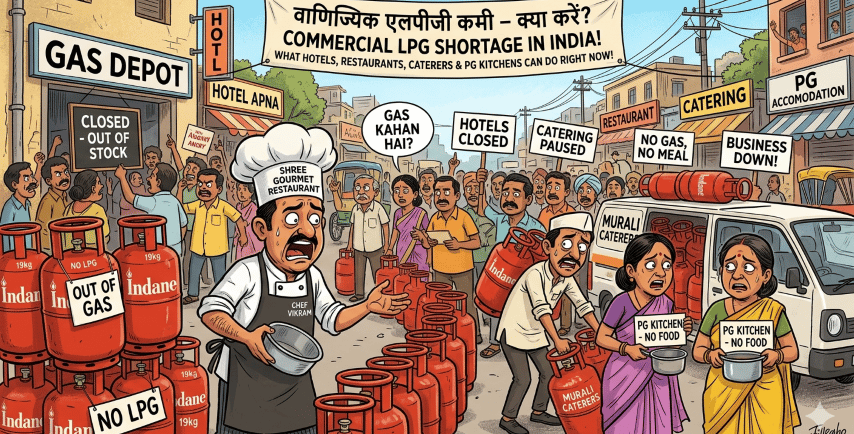
Commercial LPG Gas Cylinders Shortage in India: What Hotels, Restaurants, Caterers and PG Kitchens Can Do Right Now
India’s commercial kitchen sector is under pressure as LPG supply disruptions linked to the West Asia conflict affect availability of commercial cylinders across several cities. The government has said household LPG supply is being prioritised, domestic production has been ramped up, and a review mechanism is in place for commercial allocations, but many food businesses are still reporting reduced availability and operational stress.
For hotels, restaurants, caterers, PG kitchens, hostels and small food businesses, this is not just a fuel issue. It is an operations issue. Menu planning, service speed, procurement, food pricing and customer communication are all being affected. In several places, businesses have already reduced menu items, slowed service, or looked for temporary alternatives to manage daily cooking needs.
What is causing the commercial LPG gas cylinders shortage in India?
The immediate trigger is disruption to LPG supply flows linked to the conflict affecting West Asia and the Strait of Hormuz route. The government said India depends heavily on LPG imports and ordered refineries and petrochemical complexes to maximise LPG production by diverting propane and butane toward LPG output. It also said household supply is being protected and that a committee of public sector oil companies has been formed to review commercial allocations.
Reuters also reported that companies raised cooking gas prices after the conflict disrupted supply expectations and tightened the market. That means commercial users are facing both an availability problem and a cost problem at the same time.
Why are hotels, restaurants, caterers and PG kitchens affected more?
Commercial kitchens use fuel continuously and at higher intensity than households. They depend on predictable supply for breakfast service, bulk cooking, tea and coffee preparation, curries, rice, frying, event catering and repeated reheating through the day. Since the government is prioritising domestic supply and essential institutions, many regular commercial users are facing tighter access.
Across India, restaurant and hotel operators have reported menu cuts, limited operations and fears of shutdown if the shortage continues. Reuters reported that some kitchens have already dropped hot food items or simplified menus to stretch remaining gas stock.
What problems are businesses facing on the ground?
The impact is showing up in different ways across cities:
commercial cylinder availability has become uncertain in some areas
some eateries have suspended or reduced operations
some businesses are exploring wood-fired or electric backup options
black-market sales and inflated pricing have started appearing in some cities
For smaller establishments, the problem is even more serious because they usually operate on thin margins and do not have the storage, equipment flexibility or procurement power that larger chains may have.
First step: calculate your real LPG usage
Before making panic decisions, businesses should measure how much gas they are actually using every day.
Track:
number of cylinders in stock
average daily usage
which meal service consumes the most gas
which menu items keep burners running the longest
how much gas goes into tea, coffee, reheating and frying
what your minimum safe operating stock is
Many kitchens never properly measure usage by menu section. In a shortage, that becomes a mistake. A business that understands where gas is being used can make smaller, smarter corrections instead of cutting service blindly.
Create a temporary low-gas menu
One of the most practical responses is to design a restricted menu that can be activated immediately when supply becomes uncertain.
This menu should focus on:
fast-cooking items
bulk-cooked staples
fewer made-to-order flame-heavy items
fewer deep-fried items
fewer dishes that need repeated reheating
fewer low-margin items that consume too much fuel
This is already happening in many cities, where operators are reportedly cutting hot beverages, removing selected dishes or simplifying service to make existing stock last longer.
Reduce wasteful flame time inside the kitchen
A shortage often exposes poor fuel discipline. Even simple operational changes can help:
keep lids on cooking vessels
soak pulses and grains in advance
use pressure cooking where suitable
prep ingredients before switching on burners
reduce idle flame time
standardise portion sizes
avoid repeated small-batch reheating
plan fixed cooking windows instead of constant intermittent cooking
These steps may look basic, but in bulk kitchens they can significantly reduce burner hours over a day.
Rework breakfast and tea service
Breakfast can quietly become one of the biggest gas-consuming sections in a hotel, restaurant or PG kitchen because it combines boiling, frying, tawa cooking and repeated beverage preparation.
To reduce LPG use:
limit breakfast options temporarily
offer one standard combo meal
reduce repeated small tea and coffee batches
move water heating to electric kettles where possible
remove slow or low-demand hot items
prepare certain staples in larger planned batches
For PG kitchens and hostels, breakfast simplification may be one of the fastest ways to extend existing cylinder stock.
Use electricity where it makes practical sense
Electric equipment cannot replace LPG completely for every Indian commercial kitchen, but it can reduce pressure on limited gas supply.
Useful support options include:
electric kettles
rice cookers
induction cooktops
electric hot cases
electric fryers or ovens where infrastructure already exists
Some establishments have already started exploring these alternatives because they cannot depend only on commercial cylinder availability.
The key is not full replacement overnight. The smarter approach is hybrid use: reserve LPG for high-heat core cooking and move basic repeat tasks to electric equipment where possible.
What caterers should do before accepting bookings
Caterers face a different kind of risk. A restaurant can reduce service. An event caterer may not get that luxury on a function day.
Before accepting or confirming bookings, review:
number of burners required
availability of backup cylinders
whether partial prep can be done centrally
venue electricity capacity
whether menu simplification is possible
whether a fuel contingency clause should be added to quotations
Reports from affected areas show concerns that prolonged shortages could interfere with wedding and event catering as well.
What PG kitchens, hostels and mess facilities should prioritise
PGs, hostels and small mess facilities should focus on continuity over variety.
A practical response includes:
planning simple staple-based meals
reducing menu variation
communicating changes in advance to residents
avoiding overproduction and food waste
creating a 3-day and 7-day emergency kitchen plan
reducing fuel-heavy snacks and frequent tea cycles
These businesses are especially vulnerable because they serve daily necessity and usually cannot stop cooking without immediately affecting residents.Should businesses buy cylinders from unofficial sellers?
No. This is one of the worst responses to a shortage.
Reports from Hyderabad show that black marketing of commercial LPG cylinders has already become a problem, with prices reportedly far above official rates.
Buying from unofficial channels creates multiple risks:
unsafe storage or transport
possible tampering
poor traceability
inflated operating cost
legal and compliance issues
no guarantee of reliable future supply
A shortage is difficult, but unsafe procurement can create a much bigger crisis.
Should businesses increase food prices?
Some businesses may be forced to review pricing if supply remains tight and procurement costs rise. Reuters reported price increases in cooking gas, and ground reports show inflated black-market costs in some cities.
But a price increase should not be the first move. Before doing that, businesses should review:
low-margin fuel-heavy items
waste from overproduction
repeated reheating losses
complimentary items that add gas usage
inefficient breakfast or tea operations
whether combo meals can improve efficiency
Sometimes smarter menu engineering can protect margins better than a direct rate hike.
How should businesses communicate with customers?
Clear communication matters.
A simple customer note can say:
a few items may be temporarily unavailable
menu has been streamlined due to fuel supply constraints
service may take slightly longer for selected dishes
the kitchen is prioritising fresh essentials and safe operations
Calm communication protects trust. It is better than pretending nothing is wrong and then delivering poor service.
Build a 7-day LPG contingency plan
Every commercial kitchen should now keep a basic response plan ready.
That plan should include:
live stock count
reorder threshold
authorised distributor contact details
low-gas menu version
equipment backup list
communication template for guests or residents
daily monitoring by the chef or operations manager
emergency prioritisation of must-run services
Even if supply improves soon, this exercise is useful. It prepares the business for future disruptions as well.
Final thoughts
The commercial LPG gas cylinders shortage in India is not just a supply chain story. It is an operations test for hotels, restaurants, caterers, PG kitchens and hostel messes. Businesses that measure usage, simplify menus, avoid panic buying, stay away from unofficial supply channels and build backup systems will handle this phase better than those that react late. Current reporting shows that the pressure is already real in several cities, and planning early is the most practical response.
FAQs
Is there really a commercial LPG gas cylinders shortage in India right now?
Yes. Government and media reports on March 10–12, 2026 indicate supply stress, especially for commercial users, with domestic household supply being prioritised.
Why are restaurants and hotels affected more than households?
Because current supply management is prioritising household and essential-sector demand, while commercial users rely on steady, high-volume cooking fuel every day.
Has the commercial LPG cylinder price increased?
Reuters reported that cooking gas prices were raised after the conflict disrupted supply expectations and tightened the market.
Are black-market cylinder sales happening?
Yes. Reports from Hyderabad indicate black marketing and sharply inflated rates for commercial cylinders.
Can businesses temporarily shift to electric cooking?
Partly, yes. Electric support equipment can reduce dependence on LPG for selected tasks, though it may not fully replace LPG in every commercial kitchen.
Reader Sources / Hyperlinks to Refer
Sources readers can refer to
Government press release on LPG supply and allocation measures:
https://www.pib.gov.in/PressReleseDetail.aspx?PRID=2238525&lang=1®=20
Reuters on kitchens cutting hot food and menu items:
Reuters on India asking consumers not to panic and conserve gas:
Reuters on cooking gas price increase:
TOI report on black marketing in Hyderabad:
TOI report on eateries suspending operations in Shivamogga:
TOI report on hotels switching to wood-fired stoves in Hisar:
Anudeep Hegde
Seasoned Internet Marketing Specialist and Hotel Marketing Expert with over 12+ years of experience helping brands grow and succeed online.
Get in touch
connect@anudeephegde.com
+91 9449507266, +91 9731258717
© 2026. All rights reserved. @Trip Nirvigna Marketing