Discipline in Email Marketing: Best Practices
Learn why discipline in email marketing matters and discover proven best practices to build trust, improve engagement, and drive sustainable growth.
Anudeep Hegde
6/16/20266 min read
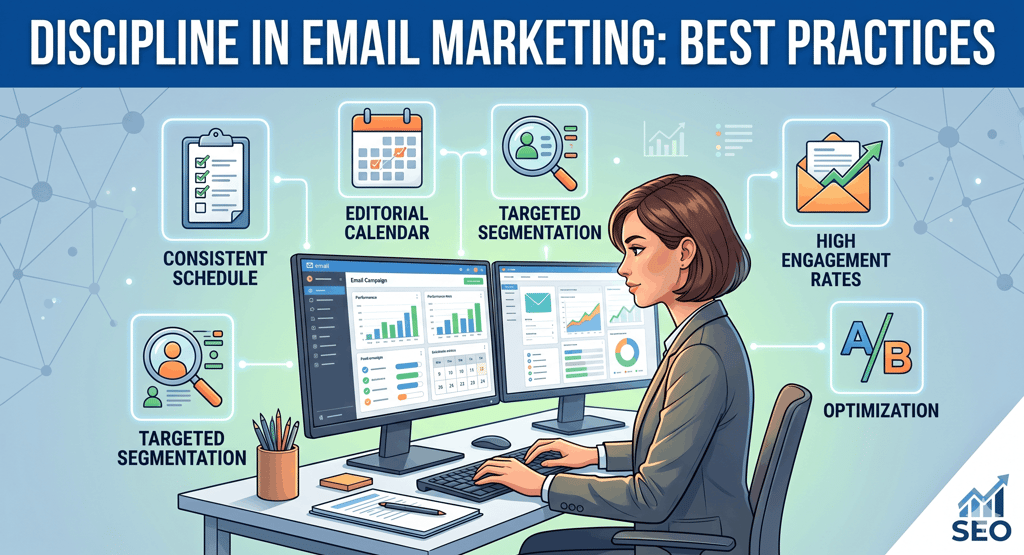
Discipline in Email Marketing: Best Practices
In a world obsessed with social media algorithms, viral videos, and constantly changing digital trends, email remains one of the most reliable ways to connect with people.
I've been involved in digital marketing and hotel marketing for more than 12 years, and if there's one lesson I've learned repeatedly, it's this:
Successful email marketing is less about clever tactics and more about discipline.
Anyone can send an email.
Very few businesses consistently send the right email, to the right audience, at the right time, while respecting the trust of their subscribers.
That's where discipline becomes a competitive advantage.
Growing up in coastal Karnataka, I often watched fishermen prepare their boats before sunrise. Their success depended on preparation, consistency, and respecting nature's rhythms. They couldn't simply go out whenever they felt like it and expect results.
Email marketing works in a surprisingly similar way.
The businesses that succeed are rarely the loudest. They're usually the most consistent.
In this article, I'll share practical insights on discipline in email marketing, common mistakes to avoid, and best practices that help businesses build stronger relationships, improve engagement, and achieve sustainable growth.
Whether you're a hotel owner, entrepreneur, freelancer, consultant, or marketing professional, these principles can help you create email campaigns that people actually appreciate receiving.
[Image Suggestion: Professional reviewing email marketing campaign reports on a laptop with a notebook beside it]
Why Discipline Matters More Than Marketing Tricks
Many businesses spend enormous energy searching for hacks.
They ask questions like:
What's the perfect subject line?
Which colour button gets more clicks?
What's the best email automation tool?
These questions matter.
But they matter far less than consistency.
Email Marketing Is About Relationships
Think about your closest friends.
Trust didn't develop overnight.
It grew through repeated positive interactions.
Email marketing follows the same principle.
Subscribers gradually decide:
Whether they trust you
Whether your content is useful
Whether your emails deserve attention
That trust is built through discipline.
Consistency Creates Familiarity
When subscribers receive valuable emails regularly, they begin to recognize your brand.
Consistency creates:
Trust
Recognition
Authority
Long-term engagement
Without consistency, even the best email strategy eventually fails.
The Long-Term View
According to the Data & Marketing Association (DMA), email marketing consistently remains one of the highest-performing digital marketing channels in terms of return on investment.
However, ROI rarely comes from a single email.
It comes from hundreds of thoughtful interactions over time.
Building a Quality Email List the Right Way
One of the biggest mistakes I see businesses make is chasing list size.
Bigger isn't always better.
Focus on Permission-Based Marketing
People should choose to hear from you.
This simple principle improves:
Open rates
Click-through rates
Deliverability
Customer trust
Never purchase email lists.
Never add people without permission.
Never assume interest.
Why Consent Matters
Email marketing regulations worldwide increasingly emphasize consent and transparency.
Beyond compliance, permission-based marketing simply works better.
Subscribers who genuinely want your content are more likely to:
Open emails
Engage with offers
Recommend your business
Become loyal customers
Quality Over Quantity
I would rather have:
500 engaged subscribers
than
10,000 uninterested subscribers
Engagement matters more than vanity metrics.
[Image Suggestion: Email signup form with happy customers engaging with content]
Creating an Email Schedule You Can Sustain
One of the most overlooked aspects of email marketing discipline is scheduling.
Avoid Random Communication
Many businesses follow this pattern:
Send several emails this week
Send nothing for two months
Suddenly launch a promotion
Wonder why results are poor
Subscribers become confused.
Consistency disappears.
Trust weakens.
Choose a Realistic Frequency
The ideal schedule depends on your audience.
Common options include:
Weekly newsletters
Bi-weekly updates
Monthly insights
The key is sustainability.
Ask yourself:
Can I maintain this schedule for the next year?
If not, simplify.
Seasonal Awareness Matters
In hospitality marketing, timing often matters.
For example:
Holiday periods
Festival seasons
Summer travel planning
Wedding seasons
Understanding customer cycles improves relevance.
Living in coastal Karnataka, I've seen how seasonal patterns influence tourism, local businesses, and consumer behaviour. The same principle applies to email campaigns.
Timing matters.
Writing Emails People Actually Want to Read
Every inbox is crowded.
Your subscribers have choices.
Put Value Before Promotion
A common mistake is sending emails that constantly ask for something.
Buy this.
Book now.
Register today.
Limited offer.
Discount ends soon.
While promotions have their place, every email shouldn't feel like a sales pitch.
Follow the 80/20 Mindset
A practical approach:
80% value
20% promotion
Value may include:
Useful tips
Industry insights
Personal stories
Customer success stories
Helpful resources
Use Human Language
People connect with people.
Not corporate jargon.
Instead of:
"We leverage innovative customer-centric solutions."
Try:
"Here's a simple strategy that helped one of our clients increase direct bookings."
Simple language creates stronger connections.
Subject Lines Matter
Good subject lines are:
Clear
Honest
Relevant
Specific
Avoid:
Excessive capitalization
Clickbait
Misleading claims
Trust once lost is difficult to rebuild.
[Image Suggestion: Email newsletter draft showing clear, engaging writing style]
Segmentation: Treating Subscribers Like Individuals
One lesson I've learned from hospitality marketing is that every customer is different.
The same applies to email subscribers.
Why Segmentation Matters
Different people have different interests.
Examples:
Audience TypeContent PreferenceHotel GuestsTravel offersBusiness OwnersMarketing insightsFreelancersProductivity tipsFamiliesVacation recommendations
Sending the same message to everyone often reduces relevance.
Simple Ways to Segment
You can segment based on:
Location
Interests
Purchase history
Website behaviour
Engagement levels
Even basic segmentation can significantly improve results.
Personalization Beyond Names
Personalization isn't just using someone's first name.
It's understanding what matters to them.
Relevant content always outperforms generic content.
Measuring Success Without Becoming Obsessed
One advantage of email marketing is that results are measurable.
But numbers should guide decisions, not control them.
Metrics That Matter
Monitor:
Open rates
Click-through rates
Unsubscribe rates
Conversion rates
Engagement trends
Don't Chase Vanity Metrics
A high open rate means little if nobody takes action.
Instead, ask:
Did people learn something?
Did they engage?
Did they trust us more?
Continuous Improvement
Every campaign teaches something.
Review:
What worked?
What didn't?
What can improve?
Small improvements compound over time.
The best email marketers aren't perfect.
They're adaptable.
Common Email Marketing Mistakes That Damage Trust
Trust is the foundation of email marketing.
Unfortunately, many businesses accidentally weaken it.
Mistake 1: Sending Too Many Emails
Excessive communication leads to fatigue.
Respect your audience's attention.
Mistake 2: Sending Too Few Emails
Disappearing for months creates disconnect.
Stay visible.
Mistake 3: Misleading Subject Lines
Never sacrifice trust for short-term opens.
Mistake 4: Ignoring Mobile Users
According to multiple industry studies, a significant portion of emails are opened on mobile devices.
Always test:
Formatting
Readability
Loading speed
Mistake 5: Treating Subscribers as Numbers
Subscribers are people.
People have limited time, attention, and patience.
Respect that.
[Image Suggestion: Mobile-friendly email campaign being reviewed on a smartphone]
The Human Side of Email Marketing
The most successful email campaigns aren't always the most sophisticated.
They're often the most human.
Authenticity Builds Loyalty
I've received emails from businesses that felt robotic.
I've also received emails that felt like genuine conversations.
Guess which ones I remember?
Storytelling Creates Connection
Stories help people relate.
Whether it's:
A customer success story
A lesson learned
A behind-the-scenes experience
Stories make emails more engaging.
Lessons From Coastal Karnataka
One thing I appreciate about life in coastal Karnataka is the emphasis on relationships.
People remember:
Kindness
Reliability
Honesty
Consistency
These same qualities make email marketing effective.
Technology changes.
Human nature doesn't.
People still want to feel understood and respected.
Sustainable Marketing Wins
In today's digital world, it's easy to focus on quick results.
But sustainable marketing is different.
It focuses on:
Long-term trust
Genuine value
Meaningful relationships
Those principles never go out of style.
[Image Suggestion: Business owner writing a personal email while enjoying a peaceful coastal morning]
Conclusion
Discipline in email marketing is not about sending more emails.
It's about sending better emails consistently.
Over the years, I've seen businesses succeed not because they had the biggest budgets or the most advanced software, but because they respected their audience and maintained disciplined communication habits.
The fundamentals remain simple:
Build permission-based lists.
Stay consistent.
Provide value first.
Personalize thoughtfully.
Measure intelligently.
Protect trust.
Like many worthwhile things in life, email marketing rewards patience and consistency.
Just as the coastal tides shape the shoreline gradually over time, meaningful customer relationships are built through small, repeated interactions.
Focus on serving people well.
The results will follow.
FAQs
1. Why is discipline important in email marketing?
Discipline ensures consistency, improves trust, strengthens customer relationships, and helps achieve sustainable long-term marketing results.
2. How often should businesses send marketing emails?
The ideal frequency depends on the audience, but weekly, bi-weekly, or monthly schedules are common and sustainable for most businesses.
3. Is buying email lists a good practice?
No. Purchased lists typically lead to poor engagement, lower deliverability, and reduced trust.
4. What is the most important email marketing metric?
Conversion rate is often the most meaningful metric because it reflects actual business outcomes rather than surface-level engagement.
5. How can I improve email open rates?
Focus on relevant content, strong subject lines, proper audience segmentation, and consistent communication.
6. Should every email contain a sales offer?
No. Providing useful information and value helps build trust, making promotional emails more effective when they are sent.
7. Why is segmentation important in email marketing?
Segmentation improves relevance by ensuring subscribers receive content aligned with their interests and needs.
8. What is the biggest mistake businesses make with email marketing?
The biggest mistake is prioritizing short-term sales over long-term trust and customer relationships.
.
Click Here to know about Self-Discipline: The Secret Behind Successful SEO
Anudeep Hegde
Seasoned Internet Marketing Specialist and Hotel Marketing Expert with over 12+ years of experience helping brands grow and succeed online.
Get in touch
connect@anudeephegde.com
+91 9449507266, +91 9731258717
© 2026. All rights reserved. @Trip Nirvigna Marketing