Applying Growth Mindset to Digital Experiments
Learn how applying a growth mindset to digital experiments can improve marketing results, innovation, and long-term business success.
Anudeep Hegde
6/17/20266 min read
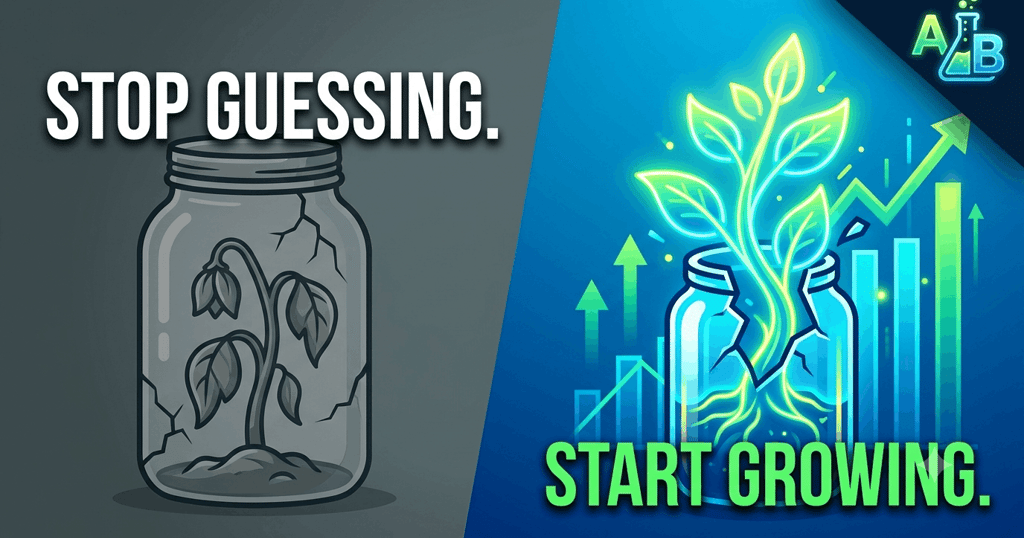
Applying Growth Mindset to Digital Experiments
A few years ago, I was reviewing a hotel marketing campaign that had consumed weeks of planning, content creation, and advertising budget. The expectations were high. The reality? The results were disappointing.
At first, it felt like a failure.
But when I looked deeper into the data, I realized something important: the campaign had revealed exactly what our audience did not want. That insight became the foundation for a far more successful campaign that followed.
This experience reinforced a lesson I've seen repeatedly throughout my 12+ years in digital marketing: the most successful marketers, entrepreneurs, and business owners don't avoid failure—they learn from it faster than others.
That's where the concept of a growth mindset in digital experiments becomes powerful.
Whether you're running Google Ads, testing website designs, launching social media campaigns, improving hotel bookings, or building a personal brand, every digital experiment is an opportunity to learn.
In this article, I'll share how applying a growth mindset to digital experiments can help you make better decisions, reduce fear of failure, and create sustainable growth over time.
What Is a Growth Mindset and Why Does It Matter?
The term "growth mindset" was introduced by psychologist Carol Dweck, whose research found that people who believe abilities can be developed through effort, learning, and persistence tend to achieve more than those who believe talents are fixed.
According to Dweck's research, individuals with a growth mindset view challenges as opportunities to learn rather than evidence of limitations.
In digital marketing, this distinction matters enormously.
A fixed mindset says:
"This campaign failed."
"My audience isn't interested."
"I'm not good at SEO."
"Facebook Ads don't work."
A growth mindset says:
"What can I learn from these results?"
"Which assumption was wrong?"
"What should I test next?"
"How can I improve the process?"
The difference may seem small, but it changes everything.
Why Digital Marketing Is Perfect for Growth Thinking
Unlike many traditional industries, digital marketing provides immediate feedback.
We can measure:
Click-through rates
Conversion rates
Website engagement
Lead generation
Booking performance
Email open rates
Customer behaviour
Every metric becomes feedback.
And feedback is fuel for growth.
Key takeaway: Successful digital marketers treat data as information, not judgment.
[Image Suggestion: A marketer reviewing campaign analytics with notes showing "Learn, Test, Improve"]
Why Most Digital Experiments Fail (And Why That's Okay)
One of the biggest misconceptions in marketing is that successful professionals always get things right the first time.
That's simply not true.
Many digital experiments fail.
Landing pages fail.
Ad campaigns fail.
Email sequences fail.
Content ideas fail.
And that's normal.
In fact, experimentation is built around uncertainty.
If we already knew the outcome, it wouldn't be an experiment.
The Reality of Testing
When I work with hotels or local businesses, I often explain that testing is similar to farming.
Growing up in Coastal Karnataka, I watched farmers adapt to changing rainfall patterns, humidity levels, and seasonal conditions. Nature rarely follows our plans perfectly.
A farmer doesn't abandon agriculture because one crop performs poorly.
They observe.
They adjust.
They improve.
The same principle applies to digital marketing.
Every unsuccessful test provides:
Better audience understanding
Improved messaging insights
Stronger future campaigns
Reduced risk for future decisions
Viewed this way, experiments don't fail.
They teach.
Building a Growth Mindset Framework for Digital Experiments
Over the years, I've developed a simple framework that helps remove emotion from testing.
Step 1: Start With a Hypothesis
Before launching any experiment, ask:
"What do I believe will happen and why?"
For example:
Changing the CTA button colour will improve conversions.
Adding customer reviews will increase bookings.
Shorter headlines will increase engagement.
Writing down assumptions creates clarity.
Step 2: Define Success Metrics
Without measurement, learning becomes difficult.
Track metrics such as:
ExperimentMetricLanding Page TestConversion RateEmail CampaignOpen RateAd CampaignCTR and ROASBlog ContentOrganic TrafficHotel PromotionDirect Bookings
Step 3: Run the Experiment
Avoid changing multiple variables simultaneously.
A common mistake is redesigning an entire page and then wondering which change caused the result.
Test one major variable at a time.
Step 4: Document Learnings
Many businesses record outcomes but forget lessons.
Create a simple document:
What was tested?
What happened?
What surprised us?
What should we try next?
This builds organizational knowledge over time.
Lessons From Coastal Karnataka: Nature Is the Best Teacher
Living close to nature teaches patience.
In places like Byndoor, Kundapura, and along Karnataka's beautiful coastline, seasons influence daily life.
Fishermen adapt to weather conditions.
Farmers adapt to rainfall.
Families adapt to changing circumstances.
Nature constantly experiments.
And it rarely moves in a straight line.
Digital growth works similarly.
Growth Is Not Linear
Many marketers expect charts to move upward every month.
Reality is different.
Growth often looks like:
Progress
Plateau
Setback
Learning
Improvement
Breakthrough
The breakthrough usually comes after a period of learning.
That's why patience matters.
Sustainability Over Short-Term Wins
I often tell business owners that sustainable growth is better than rapid growth followed by collapse.
A growth mindset focuses on:
Long-term learning
Consistent improvement
Customer trust
Strong systems
Instead of chasing every trend, focus on becoming slightly better each week.
[Image Suggestion: Coastal Karnataka landscape with fishermen adapting to changing sea conditions]
Common Growth Mindset Mistakes Digital Marketers Make
Even experienced professionals sometimes misunderstand what a growth mindset means.
Mistake 1: Ignoring Data
Optimism without evidence isn't growth.
If data clearly shows a strategy isn't working, accept reality.
Learn and adapt.
Mistake 2: Testing Without Purpose
Random experiments create confusion.
Every test should answer a specific question.
Mistake 3: Quitting Too Early
Some experiments need time.
SEO is a perfect example.
According to Google Search documentation, meaningful improvements often require consistent optimization and patience because search performance depends on many factors including competition, content quality, and user relevance.
Mistake 4: Becoming Emotionally Attached
The goal is not proving ourselves right.
The goal is discovering what works.
This shift is incredibly powerful.
Mistake 5: Comparing Every Result With Others
Social media creates unrealistic expectations.
You often see:
Success stories
Revenue screenshots
Viral campaigns
You rarely see:
Failed tests
Budget losses
Lessons learned
Compare yourself with your previous version, not someone else's highlight reel.
Practical Ways to Apply Growth Mindset to Everyday Marketing
Let's make this actionable.
Here are habits that have helped me and many clients.
Keep a Learning Journal
After every campaign, write:
Three things that worked
Three things that didn't
One experiment for next month
Celebrate Insights, Not Just Results
If an experiment disproves an assumption, that's still valuable.
You avoided making larger mistakes later.
Ask Better Questions
Instead of:
"Why did this fail?"
Ask:
"What can this teach me?"
Conduct Monthly Experiment Reviews
Create a monthly meeting focused on learning.
Discuss:
Wins
Losses
Unexpected discoveries
Future tests
Build a Culture of Curiosity
Encourage teams to ask:
What if?
Why?
How can we improve?
Curiosity drives innovation.
The Connection Between Growth Mindset, Health, and Life
One reason I find the growth mindset concept so powerful is that it extends beyond marketing.
It applies to life.
It applies to health.
It applies to relationships.
It applies to personal development.
In Coastal Karnataka, family remains a strong influence on how we live and work.
Many of us grow up learning values like:
Patience
Responsibility
Consistency
Respect for nature
These values align perfectly with growth thinking.
Small Improvements Matter
Whether you're:
Improving fitness
Building a business
Learning SEO
Strengthening family relationships
Progress often comes from small daily actions.
Research consistently shows that sustainable habit formation is built through repetition and consistency rather than dramatic short-term changes.
The same principle applies to digital marketing.
Tiny improvements compound.
Think Like a Gardener
A gardener doesn't pull a plant every day to check its growth.
They:
Water consistently
Improve the soil
Remove obstacles
Trust the process
Digital growth requires the same mindset.
[Image Suggestion: A home garden in Coastal Karnataka representing steady growth and patience]
Creating a Personal Experimentation Culture
One of the best decisions I've made professionally is viewing my career as a continuous experiment.
Every year I ask:
What new skill should I learn?
Which assumption should I challenge?
What trend deserves attention?
What habit should I improve?
This approach keeps work exciting.
It reduces fear.
It encourages creativity.
Most importantly, it creates resilience.
Because when challenges appear—and they always do—you stop asking:
"Why is this happening to me?"
And start asking:
"What is this trying to teach me?"
That question changes everything.
Conclusion
Applying a growth mindset to digital experiments is not about pretending every outcome is positive.
It's about recognizing that every outcome contains information.
In digital marketing, data is feedback.
Feedback creates learning.
Learning creates improvement.
Improvement creates growth.
Over the years, I've seen businesses transform their results not because they avoided mistakes, but because they learned from them consistently.
Whether you're managing a hotel website, running local business campaigns, building a personal brand, or exploring new marketing strategies, remember this:
Every experiment is either a success or a lesson. Both move you forward.
And much like the changing seasons along the beautiful coastline of Karnataka, growth often comes quietly, steadily, and through constant adaptation.
Stay curious.
Keep testing.
Keep learning.
The results will follow.
FAQs
1. What is a growth mindset in digital marketing?
A growth mindset in digital marketing means viewing campaigns, tests, and challenges as learning opportunities rather than judging success solely by immediate outcomes.
2. Why are digital experiments important?
Digital experiments help marketers understand customer behaviour, improve performance, reduce risk, and make better data-driven decisions.
3. How can I start experimenting with my website?
Begin with small tests such as headlines, call-to-action buttons, landing page layouts, images, or forms while measuring clear performance metrics.
4. What should I do when a marketing campaign fails?
Analyze the data, identify assumptions that were incorrect, document lessons learned, and use those insights to improve future campaigns.
5. How long should I run a digital experiment?
The duration depends on traffic volume and objectives. The goal is to collect enough reliable data before making conclusions.
6. Can small businesses benefit from growth mindset thinking?
Absolutely. Small businesses often benefit the most because experimentation helps them discover cost-effective strategies and compete more efficiently.
7. How does a growth mindset improve SEO performance?
A growth mindset encourages continuous optimization, testing content formats, improving user experience, and learning from search performance data.
8. Is a growth mindset useful outside marketing?
Yes. Growth mindset principles apply to health, relationships, education, leadership, entrepreneurship, and lifelong learning.
.
Click Here to know about AI in SEO: Smart Tools and Ethical Use.
Anudeep Hegde
Seasoned Internet Marketing Specialist and Hotel Marketing Expert with over 12+ years of experience helping brands grow and succeed online.
Get in touch
connect@anudeephegde.com
+91 9449507266, +91 9731258717
© 2026. All rights reserved. @Trip Nirvigna Marketing