Voice Search Optimization Tips That Actually Work
Learn practical voice search optimization tips to improve local SEO, attract mobile users, and future-proof your business website.
Anudeep Hegde
6/5/20266 min read
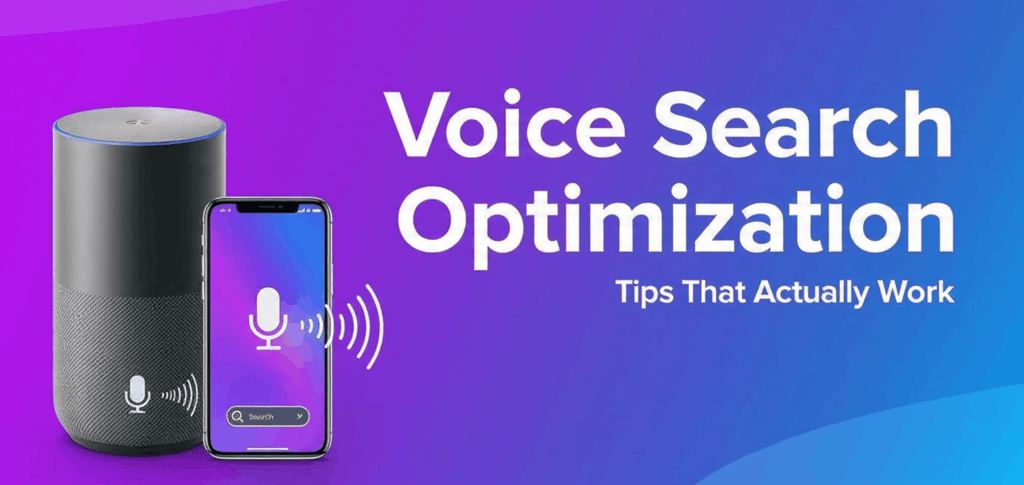
Voice Search Optimization Tips That Actually Work
A few years ago, whenever someone needed information, they would type it into Google.
Today, many people simply ask.
"Where is the best hotel near me?"
"Which restaurant is open now?"
"Find a digital marketing consultant in Udupi."
Whether it's Google Assistant, Siri, Alexa, or voice search built into smartphones, people are increasingly speaking their searches instead of typing them.
I noticed this even within my own family. My parents, who were never particularly interested in technology, now find it easier to ask their phones questions rather than type long search queries. While travelling through Coastal Karnataka, I've also seen people using voice search while driving, shopping, or looking for nearby businesses.
This shift isn't just changing how people search—it's changing how businesses need to think about SEO.
That's where voice search optimization comes in.
If you're a local business owner, hotel operator, marketer, or entrepreneur, understanding voice search optimization tips can help you stay visible as search behaviour evolves.
In this guide, I'll share practical, real-world strategies that can help improve your chances of appearing in voice search results while also strengthening your overall SEO.
[Image Suggestion: Person using voice search on a smartphone while walking through a busy local market]
Why Voice Search Matters More Than Ever
Voice search isn't a futuristic concept anymore.
It's already part of everyday life.
According to Google, voice search usage has grown significantly as smartphones and smart devices have become more common. Research from PwC's Consumer Intelligence Series found that many consumers use voice assistants to search for information, get directions, check weather updates, and find local businesses.
The biggest reason?
Convenience.
Speaking is often faster than typing.
How Voice Search Is Different
Traditional search:
"best hotel manipal"
Voice search:
"What is the best family-friendly hotel near Manipal?"
Traditional search:
"SEO consultant Udupi"
Voice search:
"Who is the best SEO consultant in Udupi?"
Notice the difference?
Voice searches tend to be:
Longer
More conversational
Question-based
Locally focused
This changes how businesses should approach SEO.
Understand How People Actually Speak
One of the biggest mistakes businesses make is optimizing only for short keywords.
Voice search users speak naturally.
Think Like Your Customer
Instead of focusing only on:
Hotel Manipal
SEO Karnataka
Restaurant Udupi
Consider questions people might ask:
Which hotel in Manipal is best for families?
Where can I find SEO services near me?
What is the best seafood restaurant in Udupi?
Create Content Around Real Questions
A useful exercise is listing the questions customers ask every week.
For example:
Hotels
Do you offer parking?
Is breakfast included?
How far are you from the beach?
Healthcare Businesses
Are appointments required?
What are your consultation timings?
Local Services
Do you serve Kundapura?
How quickly can you visit?
These real-world questions often become excellent voice search opportunities.
[Image Suggestion: Customer speaking into smartphone while searching for a local business]
Focus on Local SEO First
In my experience working with hotels and local businesses across Karnataka, voice search and local SEO go hand in hand.
Many voice searches have local intent.
People ask:
Near me
Nearby
Open now
Best in my area
Optimize Your Google Business Profile
A complete Google Business Profile helps Google understand:
Who you are
Where you're located
What services you provide
Ensure your profile includes:
Accurate business name
Address
Phone number
Website
Opening hours
Photos
Business categories
Keep Information Consistent
Your NAP details (Name, Address, Phone Number) should match everywhere.
This includes:
Website
Google Business Profile
Social media
Business directories
Consistency builds trust with both users and search engines.
Encourage Customer Reviews
Reviews help establish credibility.
Many voice assistants rely on trusted local business information when making recommendations.
I always encourage businesses to earn reviews naturally through excellent service rather than shortcuts.
Create Content That Answers Questions Clearly
Voice assistants often pull answers from content that provides clear, direct responses.
Use FAQ Sections
FAQs are extremely valuable for voice search optimization.
Examples:
Q: What are your hotel check-in timings?
A: Our standard check-in time is 2 PM.
Q: Do you provide digital marketing services in Mangalore?
A: Yes, we provide digital marketing services across Mangalore and Coastal Karnataka.
Structure Content Properly
Use:
H2 headings
H3 subheadings
Bullet points
Short paragraphs
Clear structure helps search engines understand content more effectively.
Aim for Featured Snippets
Featured snippets often influence voice search results.
To improve your chances:
Answer questions directly
Keep explanations concise
Use numbered lists
Use tables where relevant
[Image Suggestion: Search result showing a featured snippet answer]
Improve Mobile Experience and Website Speed
Most voice searches happen on mobile devices.
That means mobile SEO and voice search optimization are closely connected.
Why Speed Matters
People using voice search often want immediate answers.
A slow website creates friction.
Google has repeatedly emphasized the importance of page experience and Core Web Vitals.
Improve Website Performance
Focus on:
Faster hosting
Image optimization
Browser caching
Reduced plugins
Clean website code
Mobile-Friendly Design Checklist
✓ Responsive layout
✓ Readable fonts
✓ Easy navigation
✓ Clickable phone numbers
✓ Fast loading pages
In rural and semi-urban parts of Karnataka, network conditions may vary. Fast-loading websites often provide a significantly better experience for users on mobile connections.
Use Natural Language and Conversational Content
One thing I appreciate about Coastal Karnataka is how naturally people communicate.
Whether you're speaking Kannada, Tulu, Konkani, or English, conversations tend to feel personal and direct.
Voice search works the same way.
Write Like You Speak
Avoid:
"Our establishment provides comprehensive hospitality solutions."
Instead:
"We help guests enjoy a comfortable and memorable stay."
Natural language aligns better with voice search behaviour.
Include Long-Tail Keywords
Examples:
Instead of:
SEO consultant
Use:
Experienced SEO consultant in Coastal Karnataka
Instead of:
Hotel booking
Use:
Family-friendly hotel booking near Manipal
Long-tail keywords often match voice queries more closely.
Answer Follow-Up Questions
Voice searches often happen in a sequence.
For example:
Which hotel is best in Udupi?
Does it offer parking?
Is breakfast included?
Creating comprehensive content helps address these related queries.
[Image Suggestion: Content writer creating conversational website content]
Use Structured Data to Help Search Engines
Structured data, also called schema markup, helps search engines understand your content better.
Think of it as providing additional context.
Useful Schema Types
For local businesses:
LocalBusiness
Organization
Review
FAQ
Hotel
Restaurant
Benefits of Schema Markup
Schema can help search engines understand:
Business details
Reviews
Services
Contact information
Frequently asked questions
While schema doesn't guarantee rankings, it improves content understanding.
Don't Ignore Technical SEO
Basic technical SEO still matters:
HTTPS security
XML sitemap
Clean URLs
Fast performance
Mobile usability
Voice search optimization works best when supported by strong technical foundations.
Voice Search Is Really About Human Behaviour
Whenever new technology emerges, people often focus on algorithms.
I prefer focusing on people.
Voice search isn't successful because it's advanced technology.
It's successful because it's natural.
Humans have spoken to one another for thousands of years.
Speaking requires less effort than typing.
That's why voice search feels intuitive.
Growing up in Byndoor, I learned that good communication isn't about using complicated words. It's about helping people understand clearly.
The same principle applies to SEO.
The businesses that will succeed in voice search are not necessarily those with the most technical knowledge.
They are the ones that communicate clearly, answer questions honestly, and genuinely help customers.
Technology changes.
Human behaviour evolves.
But trust, clarity, and usefulness remain timeless.
[Image Suggestion: Family using a smart speaker at home]
Conclusion
Voice search optimization tips are becoming increasingly important as more people use smartphones, voice assistants, and hands-free search experiences.
The good news is that many voice search best practices also improve overall SEO.
Start by:
Understanding customer questions
Improving local SEO
Optimizing Google Business Profile
Creating conversational content
Strengthening mobile performance
Using structured data
Most importantly, remember that voice search is ultimately about serving people better.
When your content provides clear answers, solves real problems, and creates a positive user experience, you're already moving in the right direction.
As someone who has spent more than a decade helping businesses grow online, I've found that sustainable digital success comes from combining technology with genuine human connection.
And in many ways, voice search is simply another step in that journey.
FAQs
1. What is voice search optimization?
Voice search optimization is the process of improving website content and SEO so it performs better for spoken search queries.
2. Why is voice search important for local businesses?
Many voice searches involve local intent, such as finding nearby businesses, services, restaurants, or hotels.
3. Does voice search affect SEO?
Yes. Voice search influences keyword strategy, content structure, local SEO, and user experience.
4. How can I optimize my website for voice search?
Focus on conversational keywords, FAQ content, local SEO, mobile optimization, and structured data.
5. Are featured snippets important for voice search?
Yes. Voice assistants often use featured snippet content when providing spoken answers.
6. Does website speed affect voice search performance?
Yes. Faster websites generally provide better user experiences and support overall SEO performance.
7. What are long-tail keywords in voice search?
Long-tail keywords are longer, more specific phrases that closely match natural spoken language.
8. Is voice search only relevant for large businesses?
No. Local businesses often benefit significantly because many voice searches involve nearby products and services.
.
click to know about Paid Ads vs Organic: When to Use What
Anudeep Hegde
Seasoned Internet Marketing Specialist and Hotel Marketing Expert with over 14+ years of experience helping brands grow and succeed online.
Get in touch
connect@anudeephegde.com
Bangalore & Kundapura, India
© 2026. All rights reserved. @Trip Nirvigna Marketing
+91 9449507266, +91 9731258717